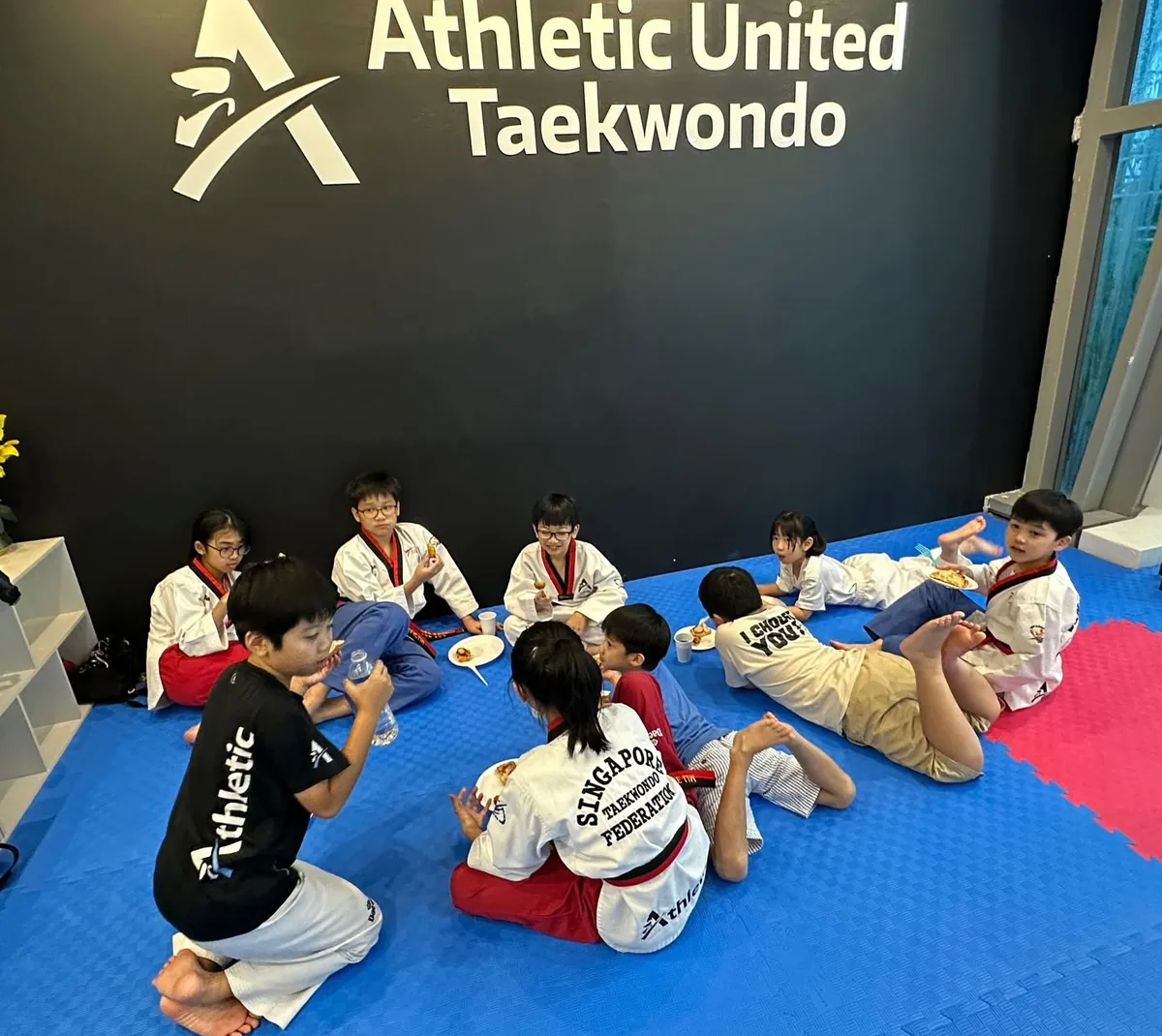
Martial Arts for Kids in Singapore
A parent's guide to choosing between taekwondo, karate, judo, jiu-jitsu and muay thai — by age, by temperament, and by what you actually want your child to get out of it.
Book a Free Trial Class
A parent's guide to choosing between taekwondo, karate, judo, jiu-jitsu and muay thai — by age, by temperament, and by what you actually want your child to get out of it.
Book a Free Trial Class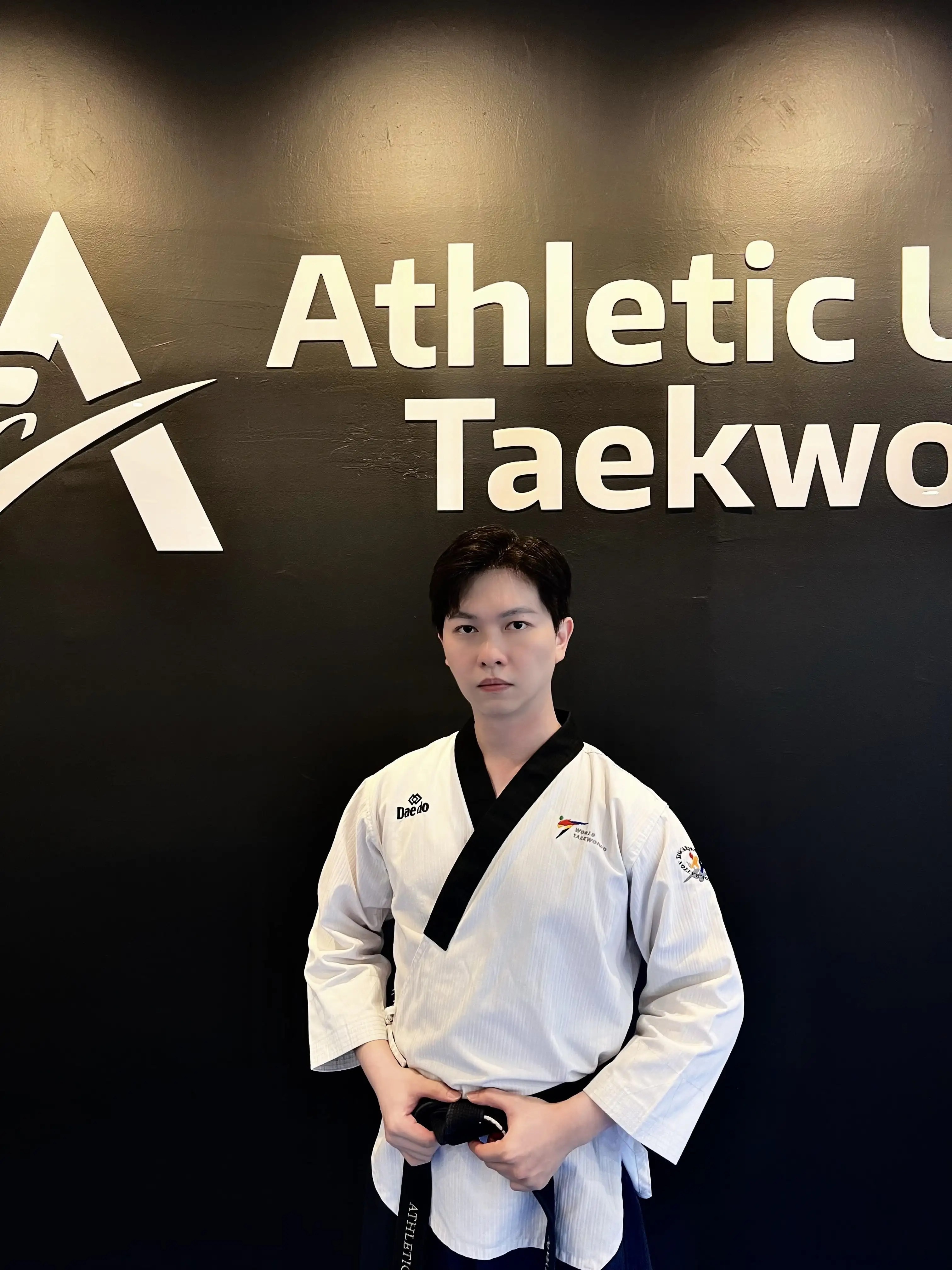
Most parents start this search with a shortlist of five arts and no idea how they differ. This page is the map: what each one trains, which children suit which, and where to read the detailed comparison once you have narrowed it down.
Taekwondo is what we teach — and where another art would suit your child better, we will happily say so.
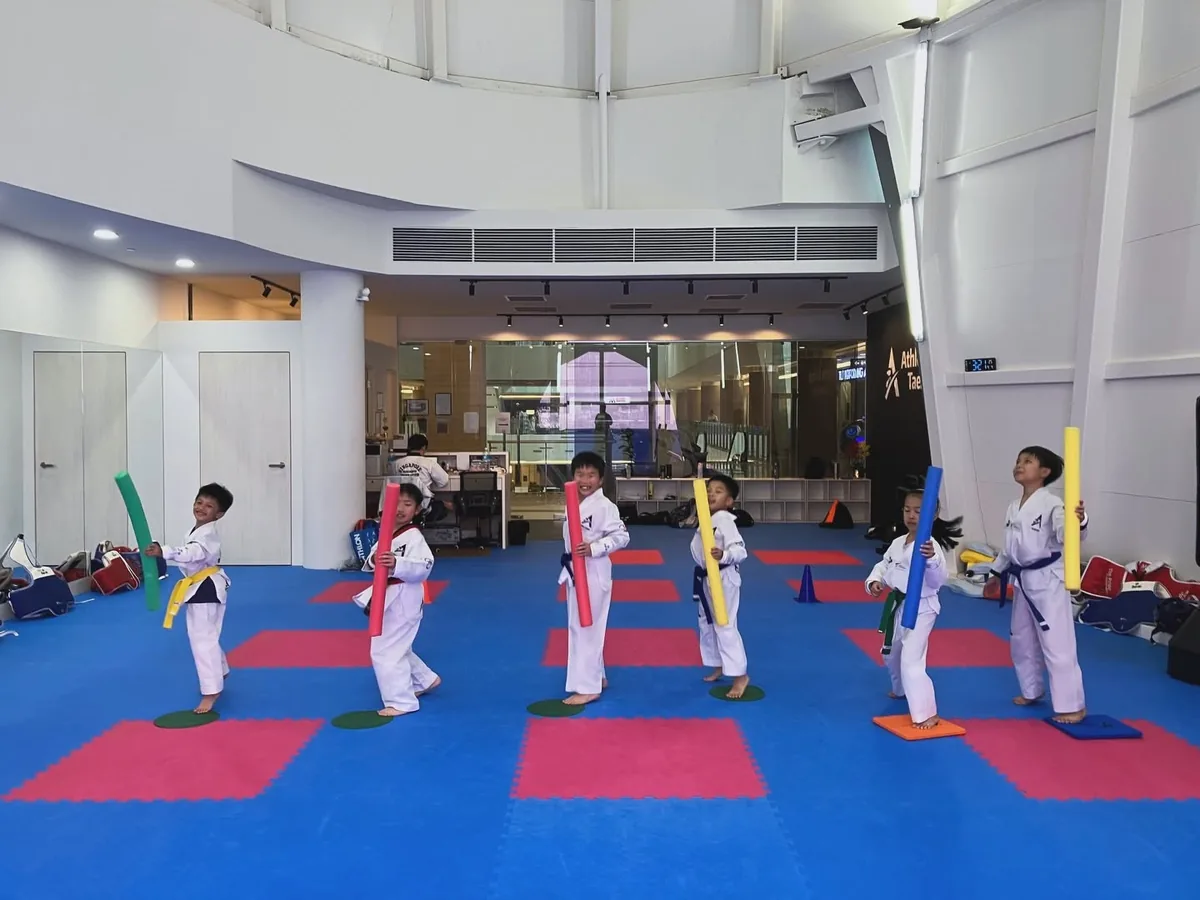
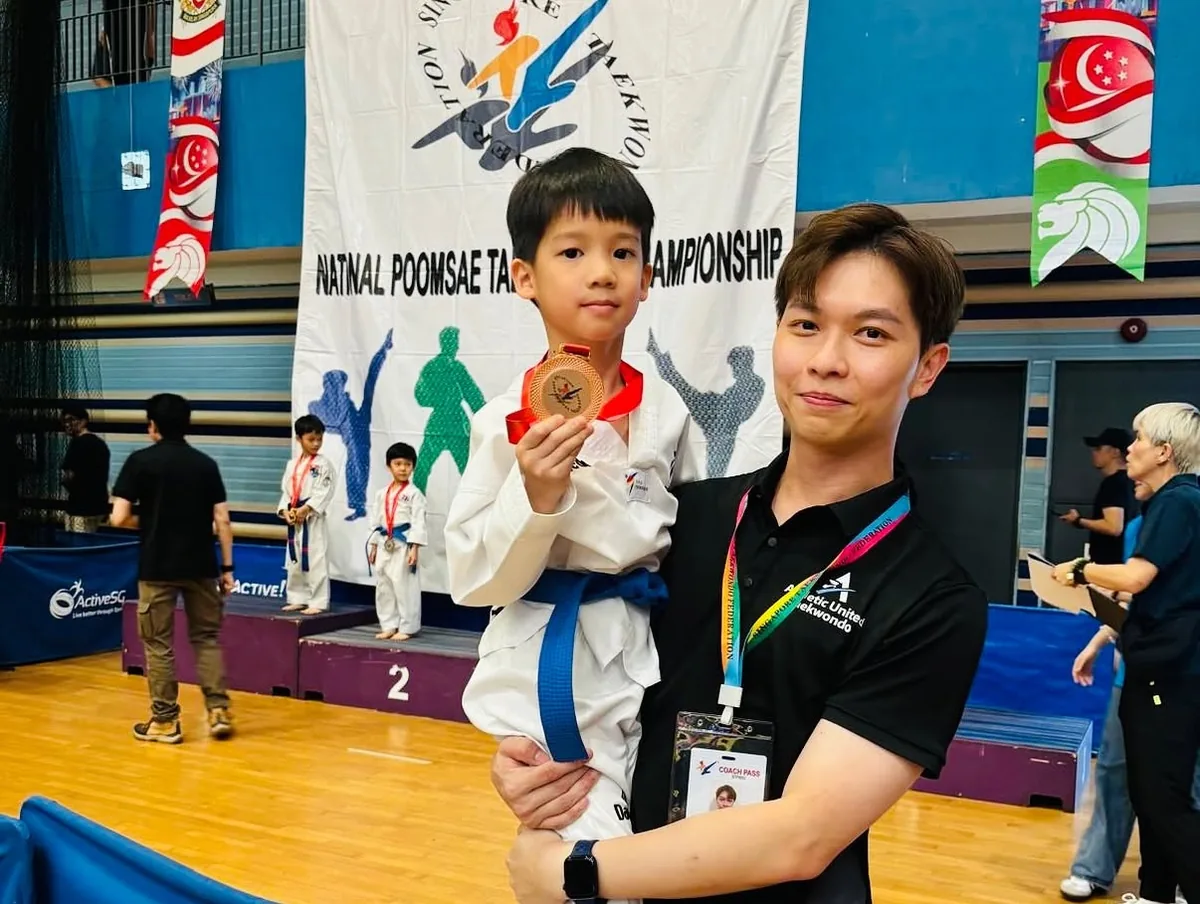

Or work through the three questions below.
In that order. Most families find the answer before the third.
What each one trains, and who it tends to suit.
| Martial art | Main focus | Typical start age | Olympic sport | Suits a child who… |
|---|---|---|---|---|
| Taekwondo | Kicking, footwork, forms, sparring | 3–4 | Yes | Has energy to burn and likes to move |
| Karate | Hand strikes, stances, kata | 4–5 | No | Likes precision and getting it exactly right |
| Judo | Throws, grips, balance, pins | 5–6 | Yes | Is physical and unbothered by contact |
| Brazilian jiu-jitsu | Ground control, submissions, no striking | 5–6 | No | Is patient and enjoys problem-solving |
| Muay thai | Fists, elbows, knees, shins, clinch | 7–8 | No | Is older and wants hard conditioning |
Start ages are what Singapore schools typically accept, not hard rules. Readiness matters more than birthdays.


Each guide covers what actually happens in class, safety, start age and cost — including where we would point you to the other art instead.
The closest comparison, and the one most parents start with. Kicks and movement against hands, stances and kata.
The sharpest fork: striking at a distance against grappling on the ground. Almost no skill overlap.
Two Olympic sports. Kicks against throws — and judo's real gift, learning to fall safely.
Both striking arts. The difference is intensity and age — and whether belts motivate your child.
Parents rarely open with it, but it is usually what they mean: is my child going to get hurt?
The honest answer is that how a school runs its classes matters far more than which art it teaches. In a well-run children's class of any discipline, beginners do not spar or roll at full intensity, protective equipment is mandatory for contact work, and children are grouped by age and size. In a badly run class, any of these arts can produce avoidable injuries.
So judge the school, not the style. When you visit, ask:
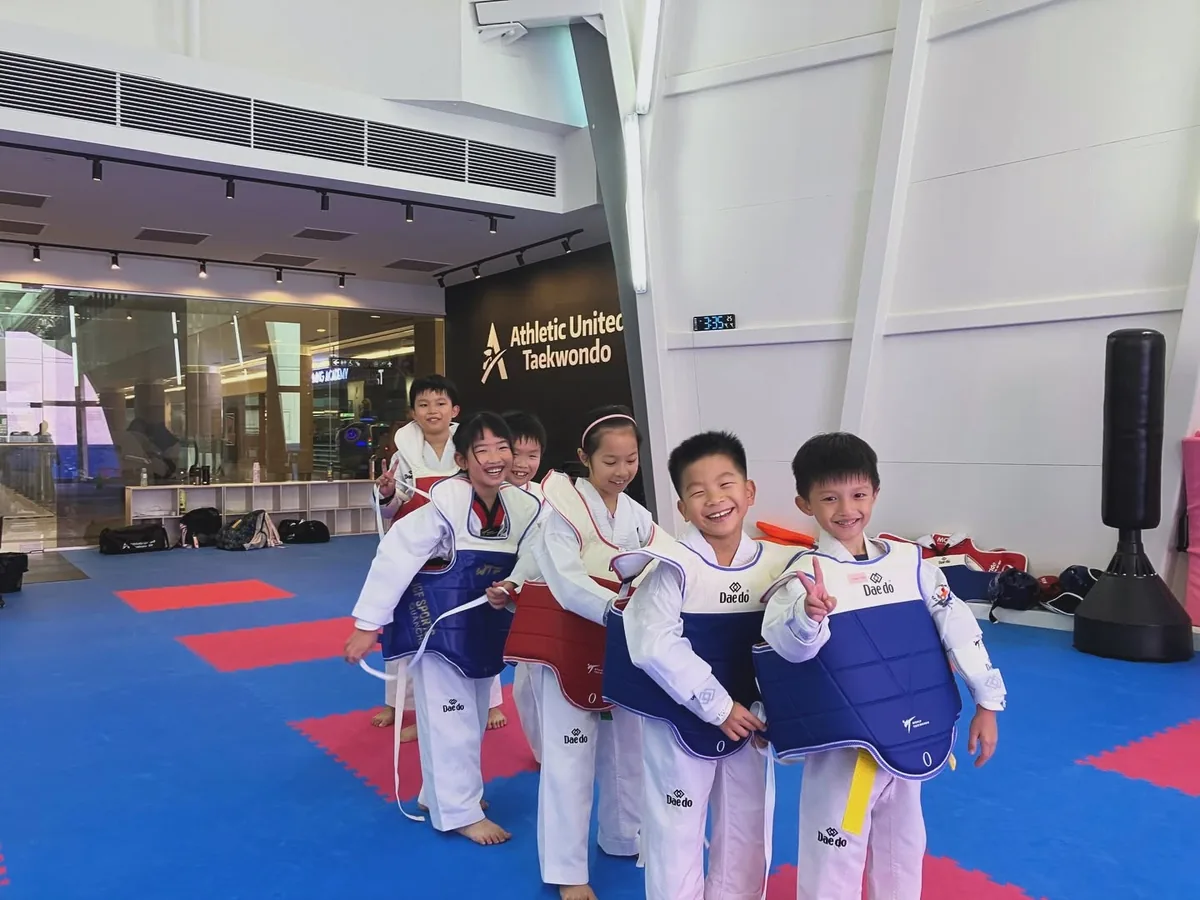
The answers tell you more about a place than any trophy cabinet. Our own approach is set out in kids taekwondo classes — children start from age 3 with no contact at all, and sparring comes much later in full protective gear.
Lesson rates, registration, uniform and grading fees — the full list, including the costs other schools leave out of the headline figure.
The full weekly timetable, filterable by age group, weekday or weekend and time of day.
The colour order, what each rank means, and how gradings are run and assessed.
How Direct School Admission works, which schools accept the sport, and how early a child needs to start.
If your child has ADHD or is autistic, we have written separately about what the research shows and what a class demands. Still weighing up whether it is worth it at all? The benefits of taekwondo covers what the research actually shows about focus, confidence and fitness.
There is no single best one. For children under 5, taekwondo is usually the only art open to them. From 5 upwards, the choice comes down to whether your child prefers striking at a distance or grappling in close contact, and whether visible progress through belts motivates them.
Taekwondo from 3 with us, karate from about 4 or 5, judo and BJJ usually from 5 or 6, and muay thai from around 7. Readiness matters more than the birthday — see what age to start taekwondo.
Safety depends far more on the school than the art. In a well-run class of any discipline, beginners do not spar at full contact, protective gear is mandatory for contact work, and children are grouped by age and size. Visit and watch a normal lesson before you judge.
The five arts sit in a broadly similar range, and the setting matters more than the style — subsidised community courses cost less than private academies. Our kids classes start from $37.80 a lesson; the full list is on our class fees page.
The opposite, in a well-run school. Traditional martial arts are built around control, etiquette and restraint, and the research points towards better focus and fewer behavioural problems rather than more. See the benefits of taekwondo, or our page on taekwondo for children with ADHD or autism if behaviour is the reason you are looking.
Trying two before committing is sensible — book a trial at each in the same fortnight. Training two at once is better left until after the first year, once one art has built the discipline and body control that make the second easier.
There is no single answer, and we would be wary of anyone who gives you one. What the research supports is fairly general — structure, repetition and clear expectations tend to suit children who find open-ended activities hard, and that describes most traditional martial arts rather than any one of them. Taekwondo's predictable class format is a reasonable fit; so is karate. What matters more is the instructor and the size of the group. Our page on taekwondo for children with ADHD or autism sets out what a class actually demands, including the parts a child may find hard.
Often, though not in the way people expect. The value is not in having somewhere to hit things — it is that a class asks a child to stop on command, wait their turn and hold a position when they would rather not, over and over. That is the skill that transfers. It works best alongside whatever else you have in place, not instead of it, and a good instructor will tell you honestly if a child is not ready for a group setting.
Whichever art you are weighing up, a trial answers more than any guide. Thirty minutes, no charge, no obligation — and if taekwondo is not the right fit for your child, we will tell you so.
Still not finding it? Ask us directly — we usually reply within the hour.