Taekwondo Grading in Singapore
What actually happens on grading day, how to prepare for it, what it costs — and what it means if your child is not put forward this time.
Book a Free Trial Class
What actually happens on grading day, how to prepare for it, what it costs — and what it means if your child is not put forward this time.
Book a Free Trial Class
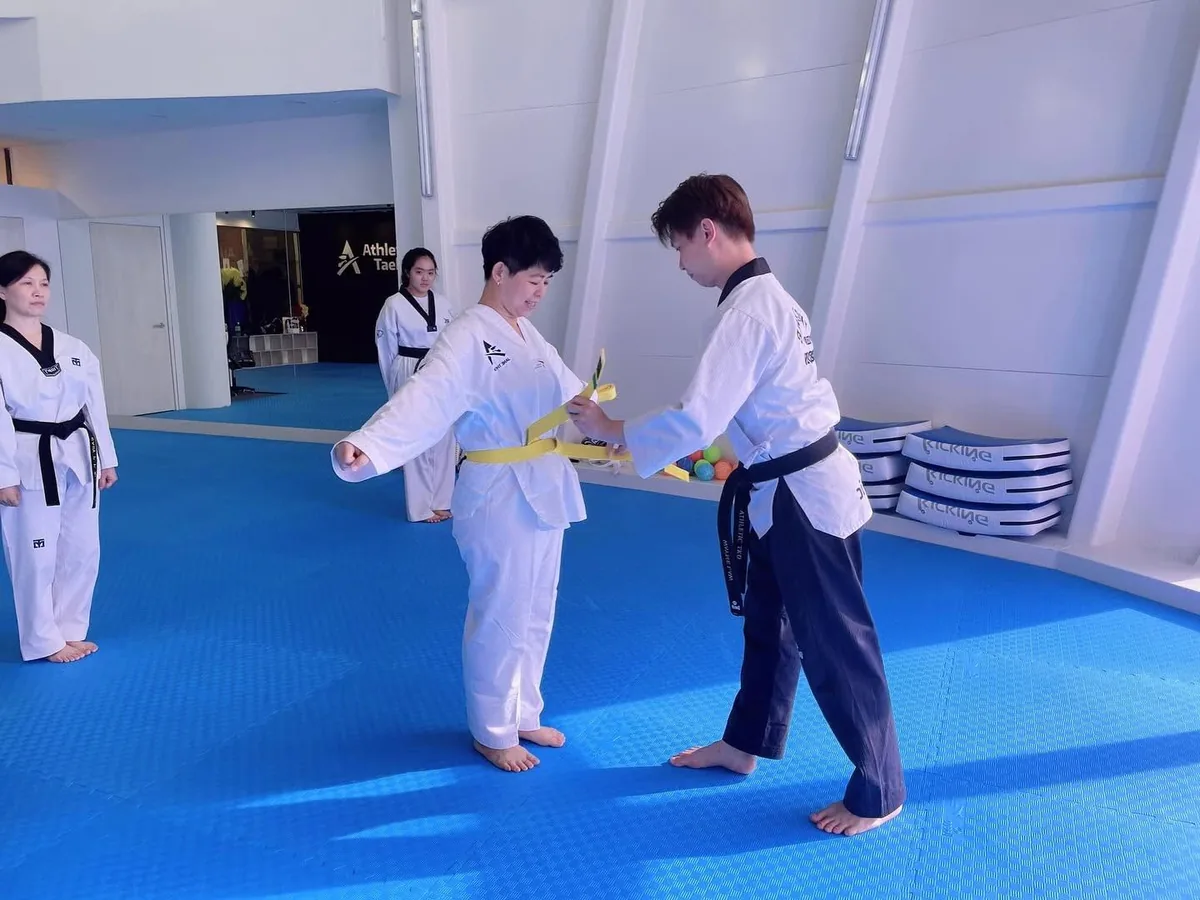
A grading is the examination a student passes to move up a belt. In Singapore they are run to the standards set by the Singapore Taekwondo Federation, so what is expected at each level is consistent from school to school.
This page is the practical side — the day itself, the preparation, the money and the result. If you want the belt order and what each colour means, that is on the taekwondo belts page.
Most schools in Singapore, ours included, hold gradings every few months, with a minimum waiting period between ranks. Two things decide when a particular student tests:
If your child is not put forward, ask the instructor what specifically needs work. The answer is always concrete — a stance, a pattern, a kick that needs more height — and it gives the next few weeks a clear focus.
The format varies a little by level, but the shape of the day is consistent.
The four assessed areas are set out in more detail on the belts page, alongside the full syllabus of what each rank covers.
Washed, no tears, belt tied properly. Appearance is part of the assessment, and it is the easiest mark to pick up. See how to wear and care for a dobok.
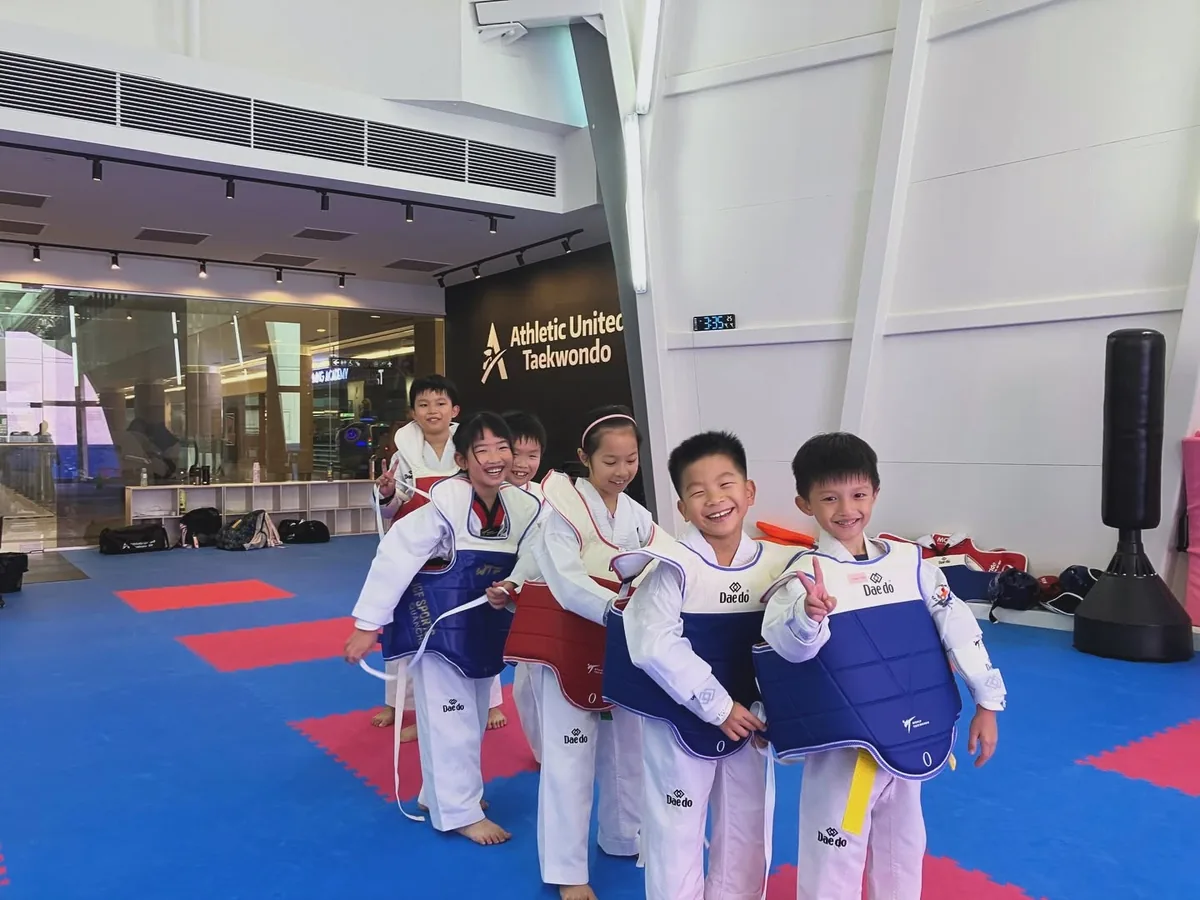
Head guard, body protector, gum shield, forearm and shin guards. Check it all fits a week before, not on the morning.
Gradings run long, and a child who is waiting their turn for an hour needs both.
Bring whatever paperwork your school issues, and settle the fee in advance where possible so the morning is about the test.
No jewellery, and nails cut short. Both are safety requirements in sparring, and both are the sort of thing that gets a student pulled aside on the day.
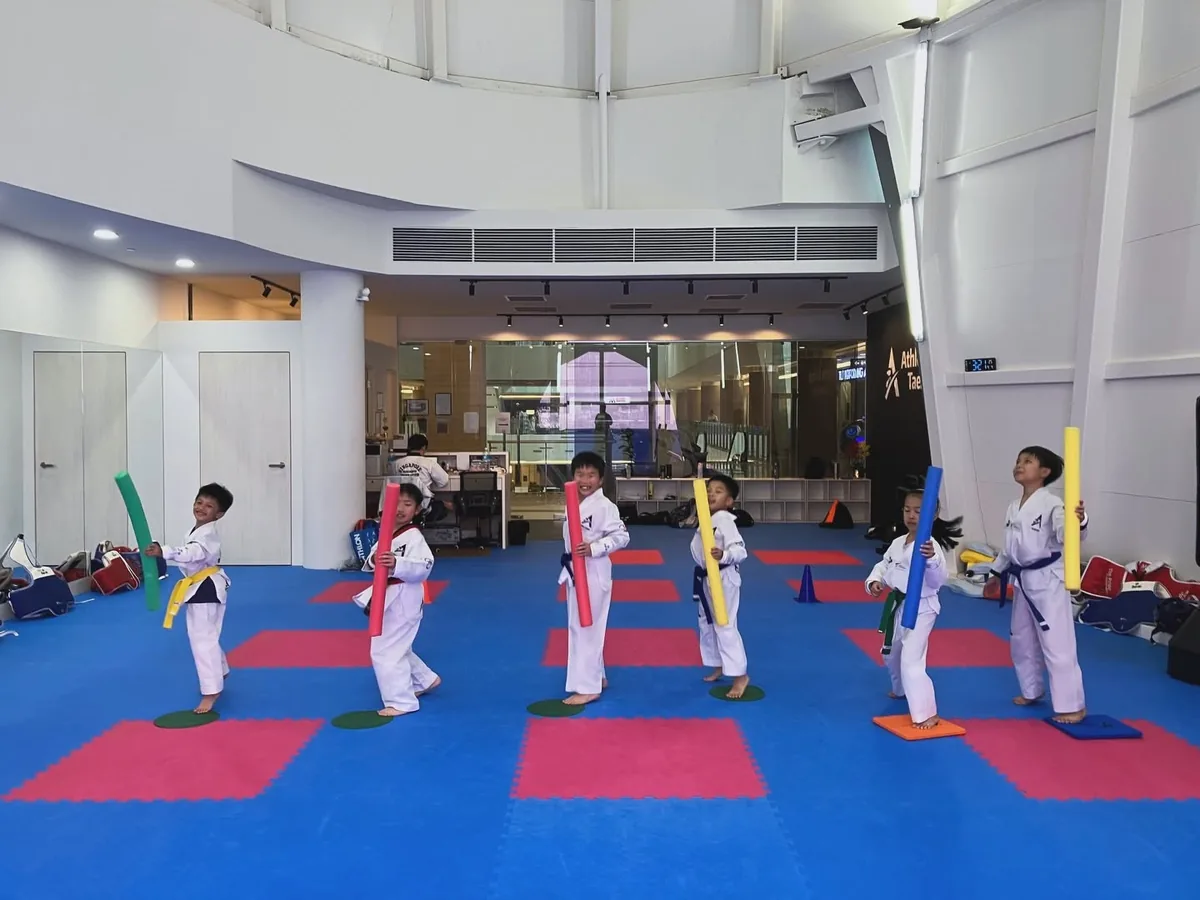
Preparation is mostly about repetition and calm, not cramming.
For 1:1 preparation before a grading, we run private sessions at $60 for 30 minutes. Most students use one or two in the fortnight beforehand rather than booking them weekly — details on the fees page.
Grading fees are charged per test and are separate from class fees. The amount depends on the level being tested — higher ranks cost more, and black belt or poom belt certification carries its own registration cost on top, because the rank is recorded on a register recognised worldwide.
We confirm the exact fee with you before each grading, and nobody is ever entered for a test they have not agreed to. Because students are only put forward when their instructor judges them ready, you are not paying for a test your child is likely to fail.
Everything outside class fees is listed in one place.
See the Full Cost Breakdown →Results usually follow some days after the grading rather than being announced on the mat. A student who passes receives their new belt and their record is updated; a student who does not is asked to re-test at the next grading session.
Three things worth knowing before it happens:
Taekwondo's belt system exists to give children a visible, achievable goal every few months. A setback that is handled well teaches more about resilience than an unbroken run of passes ever would — which is close to the whole point of the benefits parents come for.
A full grading can run a few hours across all the belt levels. Your child may be on the mat for a fraction of that.
Coaching from the sidelines, however well meant, puts a child off and is noticed by examiners. Save it for afterwards.
The belt arrives either way, eventually. What lasts is a child who learned to perform under pressure.
Under-sevens often work through Foundation levels first, which are shorter and gentler. The belts page explains how F1–F3 fit in.
Students are examined against the syllabus for the next belt, to standards set by the Singapore Taekwondo Federation. The test covers poomsae (patterns), kyorugi (sparring) at the relevant levels, gyeokpa (breaking), and theory and attitude. Students are only entered when their instructor judges them ready.
Every few months, with a minimum waiting period between ranks that lengthens as the belts get darker. Whether a particular student tests in a given cycle depends on their attendance, technique and readiness, not only on time served.
Grading fees are charged per test and sit outside class fees. The amount depends on the level, and black belt or poom belt certification carries its own registration cost. We confirm the exact fee with you before each grading — see the class fees page.
Yes. A student who does not meet the standard is asked to re-test at the next grading session. It is uncommon, because students are only put forward when they are ready, and it is usually the result of nerves or a blank on the day rather than a lack of ability.
A full grading can run several hours across all the belt levels, though any individual student is on the mat for a fraction of that. Bring water and a snack, especially for younger children.
A clean, undamaged dobok with the belt tied correctly, plus sparring gear if their level includes kyorugi. No jewellery, and nails cut short — both are safety requirements.
Usually some days after the grading rather than on the mat. Students who pass receive their new belt and have their record updated.
Typically around three years of consistent training, depending on how often a student trains and how the minimum intervals fall. Under-15s work towards a poom belt rather than a full dan rank. The belts page sets out the whole ladder, and our guide to how long a black belt takes breaks it down belt by belt.
We hold gradings every few months rather than on a fixed public calendar, because who tests depends on time served at the current belt and on the instructor's judgement. Your instructor will tell you when your child is being put forward, with enough notice to prepare. If you want the next date, ask us on WhatsApp at 8926 5124.
We will tell you honestly where your child is against the next belt, and what the few weeks before a grading should look like. New to taekwondo? Start with a free 30-minute trial in kids classes or adult classes.
Still not finding it? Ask us directly — we usually reply within the hour.